📖 5 min read
In today's fast-paced digital landscape, a well-structured social media presence is no longer optional – it's essential for businesses of all sizes. A disorganized approach to social media can lead to missed opportunities, inconsistent branding, and ultimately, a failure to connect with your target audience. The cornerstone of any successful social media strategy is a meticulously planned content calendar. This calendar serves as your roadmap, guiding your content creation, scheduling, and overall social media activity, ensuring that every post contributes to your broader business goals. By implementing a robust content calendar, you can transform your social media efforts from a reactive scramble into a proactive, strategic powerhouse, driving engagement, enhancing brand visibility, and achieving measurable results.
1. Understanding the Core of a Social Media Content Calendar
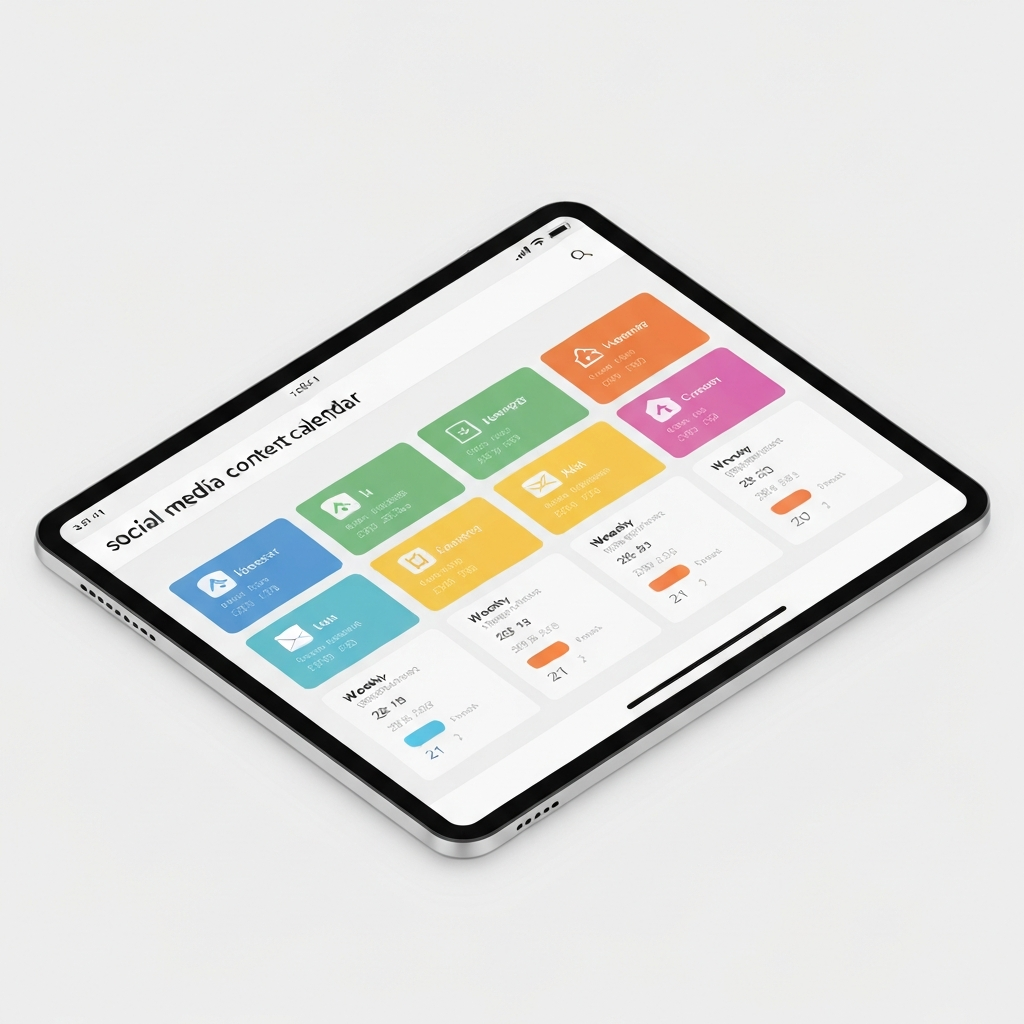
At its core, a social media content calendar is a comprehensive schedule of your upcoming social media posts. It details what content will be published, where it will be published (which platforms), when it will be published, and who is responsible for its creation and distribution. Think of it as a central hub for all your social media activities, ensuring that everyone on your team is aligned and working towards the same goals. A well-designed calendar also provides space for including notes on performance tracking, which helps you refine your strategy as you proceed.
Beyond just scheduling posts, a content calendar forces you to think strategically about your content. For example, you might plan a series of posts promoting a new product launch, each highlighting a different feature or benefit. Or, you could schedule content around key industry events or holidays to maximize reach and engagement. Data and analytics can be integrated into the planning process, allowing you to tailor your content based on past performance and user preferences. This level of foresight and coordination is nearly impossible to achieve without a dedicated content calendar.
The practical implications of using a social media content calendar are numerous. It saves time by allowing you to batch-create content and schedule it in advance. It ensures consistency in your messaging and branding across all platforms. It allows you to track the performance of your content and make data-driven adjustments to your strategy. And, perhaps most importantly, it frees up your time to focus on other important aspects of your business, knowing that your social media is running smoothly in the background.
2. Key Elements of an Effective Content Calendar
Creating an effective social media content calendar requires careful consideration of several key elements. These elements ensure that your calendar is not only organized but also strategically aligned with your overall business objectives. By incorporating these elements, you can maximize the impact of your social media efforts and drive meaningful results.
- Content Themes: Define recurring themes or topics that resonate with your target audience. For example, a fitness brand might have themes like "Workout Wednesday," "Healthy Recipe Friday," and "Motivation Monday." These themes provide structure and help you generate content ideas consistently. By creating themed days or weeks, you provide your audience with content they expect and enjoy.
- Platform-Specific Content: Tailor your content to each platform's unique characteristics and audience demographics. What works on Instagram might not work on LinkedIn, and vice versa. For example, Instagram thrives on visual content and short, engaging captions, while LinkedIn is better suited for professional articles and industry insights. Understanding the nuances of each platform is crucial for maximizing engagement and reach.
- Performance Tracking: Integrate metrics for tracking the performance of your content. This includes metrics like reach, engagement, website clicks, and conversions. Regularly analyze these metrics to identify what's working and what's not, and adjust your strategy accordingly. For instance, if a particular type of post consistently outperforms others, consider creating more content in that style.
3. Tools and Templates for Streamlining Your Workflow
Pro Tip: Consider using a spreadsheet or a dedicated social media management tool to organize your content calendar. This will help you keep track of your posts, deadlines, and performance metrics more efficiently.
Several tools and templates can significantly streamline your content calendar workflow. Ranging from simple spreadsheets to comprehensive social media management platforms, the choice of tool depends on your budget, team size, and specific needs. Selecting the right tool can save you valuable time and resources while enhancing your overall efficiency and productivity.
Excel and Google Sheets offer free and flexible solutions for creating a basic content calendar. You can customize columns to track key information such as date, time, platform, content type, caption, and associated links. Dedicated social media management platforms like Buffer, Hootsuite, and Sprout Social offer more advanced features, including content scheduling, analytics, and team collaboration tools. Investing in a paid platform can be a worthwhile investment if you have a large team or manage multiple social media accounts.
Ultimately, the value of using these tools and templates lies in their ability to centralize your social media planning process. By having all your content information in one place, you can avoid confusion, ensure consistency, and make data-driven decisions. This leads to a more efficient and effective social media strategy that drives tangible results for your business.
Conclusion
In conclusion, a well-crafted social media content calendar is an indispensable tool for any business seeking to maximize its online presence. It provides structure, ensures consistency, and allows you to track the performance of your content, enabling you to make data-driven adjustments to your strategy. By implementing a content calendar, you can transform your social media efforts from a reactive task into a proactive, strategic initiative that drives engagement, enhances brand visibility, and achieves measurable business results.
Looking ahead, the future of social media content calendars will likely involve even greater integration with AI and automation technologies. These technologies will help businesses personalize content at scale, predict optimal posting times, and gain deeper insights into audience behavior. Embracing these trends will be essential for staying ahead of the curve and maximizing the impact of your social media efforts in the years to come.
❓ Frequently Asked Questions (FAQ)
How far in advance should I plan my social media content?
Planning at least one month in advance is a good starting point. This gives you enough time to create high-quality content and schedule it effectively. Some businesses even plan several months ahead, especially around major holidays or product launches. The key is to find a balance between long-term planning and flexibility to adapt to emerging trends and real-time events.
What types of content should I include in my social media calendar?
Variety is key! Aim to include a mix of different content formats, such as images, videos, articles, infographics, and live streams. Also, consider incorporating different content types, such as educational posts, entertaining posts, promotional posts, and behind-the-scenes glimpses into your company. This approach keeps your audience engaged and prevents your feed from becoming monotonous. Experiment with different content types to see what resonates best with your audience.
How often should I post on social media?
The optimal posting frequency varies depending on the platform and your target audience. As a general guideline, aim to post on Facebook and Instagram at least once a day, on Twitter several times a day, and on LinkedIn 2-3 times per week. However, it's important to experiment and track your results to determine what works best for you. Focus on quality over quantity; it's better to post less frequently with high-quality content than to bombard your audience with irrelevant posts.
Tags: #SocialMediaMarketing #ContentCalendar #WorkflowAutomation #Productivity #BusinessStrategy #SocialMediaStrategy #ContentPlanning