📖 5 min read
In today's digital landscape, adhering to data privacy regulations is not just a legal requirement but also a crucial aspect of building trust with your customers. The General Data Protection Regulation (GDPR) sets a high standard for data protection and privacy, impacting any organization that processes the personal data of individuals within the European Union (EU). Failing to comply can lead to significant fines, reputational damage, and loss of customer trust. This article delves into the intricacies of creating a GDPR-compliant website, providing a detailed checklist and practical advice for businesses of all sizes to automate their workflow and stay compliant.
1. Understanding the Core Principles of GDPR for Websites
GDPR revolves around several core principles that every website must adhere to. These principles include lawfulness, fairness, and transparency, which dictate how you collect, process, and store personal data. Lawfulness means you must have a legal basis for processing data, such as consent, contract, or legitimate interest. Fairness requires that you handle data in a way that is not deceptive or manipulative, and transparency demands that you provide clear and accessible information about your data processing practices.
To illustrate, consider an e-commerce website. When a customer creates an account, the website must clearly state why it's collecting their personal information (e.g., to process orders and provide customer service) and how it will be used. The website should also provide an option for users to review and manage their data preferences. Furthermore, the website must have measures in place to ensure data security and prevent unauthorized access or breaches. Failure to adhere to these principles can result in severe penalties and a loss of credibility with customers.
Practically speaking, understanding these principles means you need to meticulously review your website's data collection processes, privacy policy, and user interfaces. Ensure that all forms of data collection, from contact forms to analytics tracking, are explicitly disclosed and compliant with GDPR requirements. Regularly audit your website to identify any potential vulnerabilities and implement necessary changes to maintain compliance. This also involves training your team to understand and uphold GDPR standards in their daily tasks, fostering a culture of data protection within your organization.
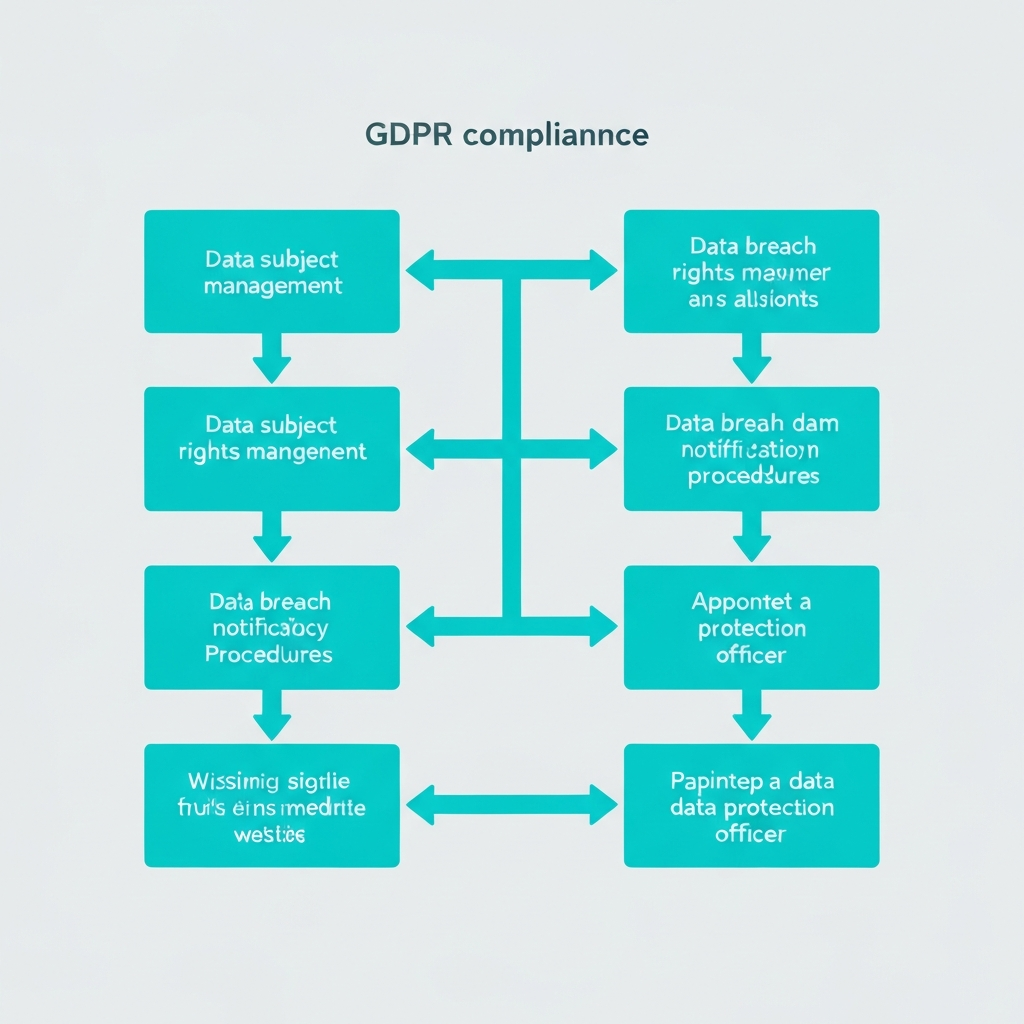
2. Key Elements of a GDPR Compliance Checklist Website
Building a GDPR-compliant website involves several essential elements that must be carefully addressed. These elements range from obtaining explicit consent to implementing robust data security measures. Ensuring each element is meticulously handled is crucial to avoid potential legal issues and maintain customer trust.
- Consent Management: Obtaining explicit consent is a cornerstone of GDPR compliance. Your website must provide users with clear and unambiguous options to consent to the collection and processing of their personal data. Pre-ticked boxes and implied consent are not acceptable. Users should have the ability to easily withdraw their consent at any time. For example, a cookie consent banner should clearly explain what cookies are being used for and provide options for users to accept or reject them.
- Privacy Policy: A comprehensive and easily accessible privacy policy is mandatory. The policy should clearly explain what data you collect, why you collect it, how you use it, who you share it with, and how long you retain it. It should also provide information on users' rights, such as the right to access, rectify, erase, and restrict processing of their data. The privacy policy should be written in plain language that is easy for users to understand, avoiding legal jargon.
- Data Security: Implementing robust data security measures is critical to protect personal data from unauthorized access, breaches, and loss. This includes using encryption (such as HTTPS) to protect data in transit, implementing strong access controls to limit who can access personal data, and regularly patching and updating your systems to address security vulnerabilities. Data breach notification procedures should also be in place to promptly notify users and authorities in the event of a data breach.
3. Automating GDPR Compliance with Templates and Workflows
Pro Tip: Leverage workflow automation tools and pre-built GDPR compliance templates to streamline your compliance efforts and ensure consistency across your organization.
Automating GDPR compliance involves using technology and structured workflows to streamline the processes required to adhere to the regulation. Templates and workflow automation can significantly reduce the manual effort involved in compliance, minimize the risk of human error, and ensure consistent application of GDPR principles across your website and business operations. By leveraging the right tools, you can create a more efficient and effective compliance program.
One effective strategy is to use pre-built GDPR compliance templates for various tasks, such as data processing agreements, privacy policy drafts, and consent forms. These templates provide a starting point that can be customized to fit your specific business needs, saving you time and effort. Workflow automation tools can also be used to automate tasks such as data subject access requests (DSARs), data breach notifications, and regular compliance audits. For instance, when a user submits a DSAR, the workflow can automatically route the request to the appropriate team members, track the progress of the request, and ensure it is completed within the required timeframe.
In summary, automating GDPR compliance not only improves efficiency but also enhances the overall reliability of your compliance program. By using templates and workflow automation, you can ensure that all necessary steps are taken consistently and accurately, reducing the risk of non-compliance and potential penalties. This approach also frees up your team to focus on other important tasks, such as improving customer experience and driving business growth.
🔗 Recommended Reading
Conclusion
Achieving GDPR compliance for your website is an ongoing process that requires diligent effort and a commitment to data protection principles. By understanding the core principles of GDPR, implementing key elements such as consent management and robust data security measures, and automating compliance processes with templates and workflows, you can significantly reduce the risk of non-compliance and build trust with your customers. Remember, GDPR compliance is not just about avoiding penalties; it's about demonstrating your commitment to protecting user privacy and fostering a culture of data protection within your organization.
Looking ahead, data privacy regulations are likely to become even more stringent, with increased enforcement and higher penalties for non-compliance. As technology evolves, new challenges and opportunities for data protection will emerge. Therefore, it's essential to stay informed about the latest developments in data privacy and continuously adapt your compliance strategies to meet evolving requirements. By prioritizing data protection and embracing a proactive approach to compliance, you can ensure your website remains compliant and your business thrives in the long term.
❓ Frequently Asked Questions (FAQ)
What is the difference between GDPR consent and implied consent?
GDPR consent requires explicit and affirmative action from the user, such as ticking a box or clicking a button to indicate their agreement. Implied consent, on the other hand, relies on the user's behavior or inaction to assume their consent, which is not compliant with GDPR. For example, simply continuing to browse a website after being presented with a privacy notice does not constitute GDPR-compliant consent. Users must actively and knowingly agree to the collection and processing of their data.
How often should I update my website's privacy policy to stay GDPR compliant?
Your website's privacy policy should be updated whenever there are changes to your data processing practices, legal requirements, or business operations that affect how you collect, use, or share personal data. It's also a good practice to review and update your privacy policy at least annually to ensure it remains accurate and up-to-date. Regularly reviewing and updating your policy demonstrates your commitment to transparency and compliance with GDPR.
What are the potential consequences of failing to comply with GDPR?
Failing to comply with GDPR can result in significant financial penalties, reputational damage, and legal action. The maximum fine for GDPR violations is €20 million or 4% of your annual global turnover, whichever is higher. In addition to financial penalties, non-compliance can lead to loss of customer trust, negative publicity, and potential lawsuits from affected individuals. It's crucial to prioritize GDPR compliance to protect your business and maintain a positive reputation.
Tags: #GDPR #Compliance #DataPrivacy #WebsiteSecurity #WorkflowAutomation #BusinessTemplates #PrivacyPolicy