📖 5 min read
The General Data Protection Regulation (GDPR) can seem like a monumental hurdle for startups. It's not just a legal formality; it's about building trust with your customers and demonstrating a commitment to protecting their data. Ignoring GDPR can lead to hefty fines, reputational damage, and ultimately, the downfall of your fledgling business. This comprehensive checklist provides a step-by-step guide to help startups understand, implement, and maintain GDPR compliance, turning a perceived obstacle into a competitive advantage. By prioritizing data protection from the outset, startups can foster customer loyalty, attract investment, and establish a strong foundation for long-term success. This detailed guide will break down the complexities of GDPR into manageable tasks, ensuring that you're not just compliant, but also building a culture of data privacy within your organization.
1. Conduct a Data Audit and Mapping
The first crucial step towards GDPR compliance is understanding what personal data you collect, why you collect it, where it's stored, and how it's processed. This involves a thorough data audit, examining all aspects of your business operations that involve personal data. Documenting this process is key, as it forms the basis of your GDPR compliance strategy.
For example, if you operate an e-commerce platform, you'll collect customer names, addresses, email addresses, payment details, and potentially purchase history. Map out the entire lifecycle of this data – from initial collection during registration or checkout, through storage in your database, to its use in marketing campaigns or order fulfillment. Identify any third-party processors who have access to this data, such as payment gateways or email marketing services.
The practical implications of a data audit are significant. It helps you identify potential vulnerabilities in your data handling practices, such as outdated security protocols or inadequate consent mechanisms. This process enables you to prioritize your compliance efforts and allocate resources effectively, ensuring that you address the most critical risks first. Furthermore, maintaining an up-to-date data map is not just a one-time task; it's an ongoing process that needs to be reviewed and updated regularly as your business evolves and your data processing activities change.
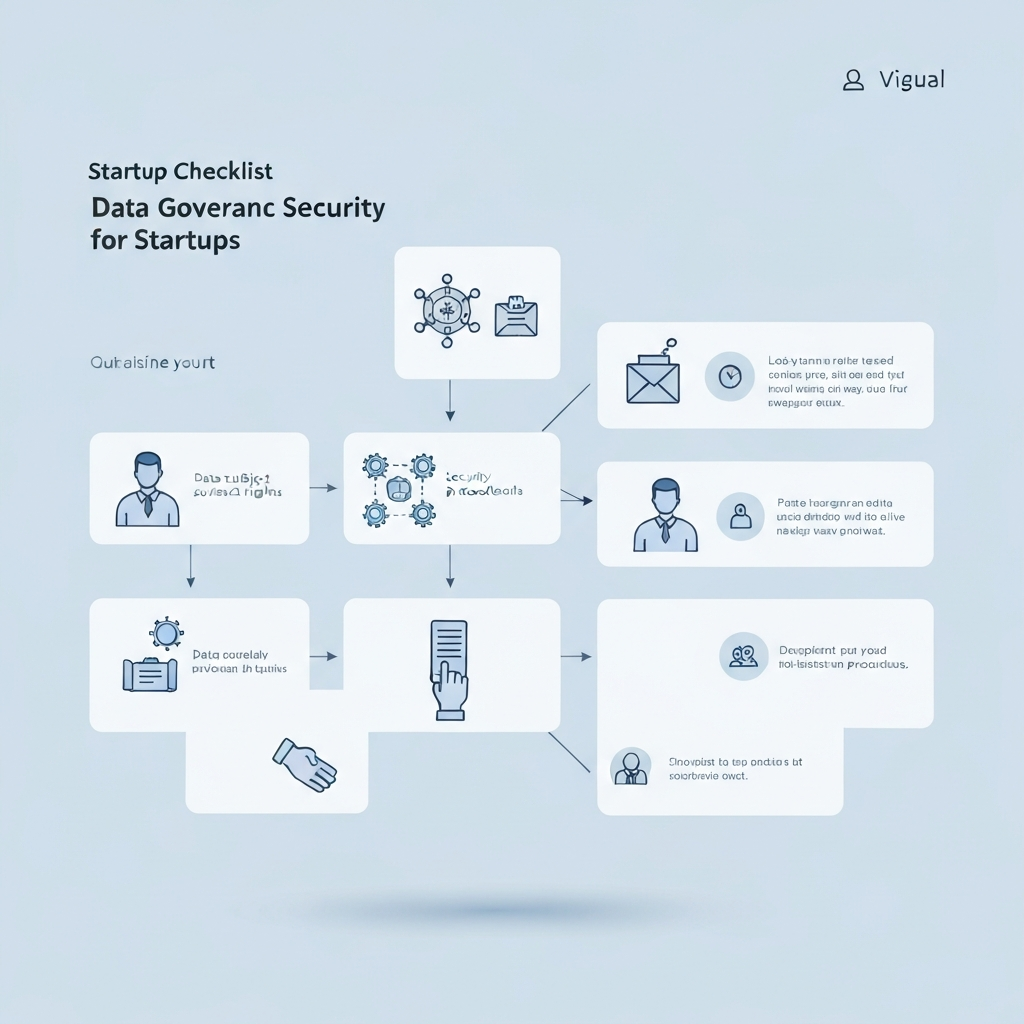
2. Implement Data Protection Policies and Procedures
Once you have a clear understanding of your data processing activities, you need to implement robust data protection policies and procedures. These policies should outline how you collect, use, store, and protect personal data, ensuring compliance with GDPR principles. These procedures must be documented and easily accessible to your employees.
- Data Minimization: Only collect data that is strictly necessary for the specified purpose. Avoid collecting excessive or irrelevant information. For instance, if you're running a contest, only ask for information directly related to participation, such as name and email address; avoid requesting unnecessary details like marital status or income.
- Consent Management: Obtain explicit and informed consent before collecting and processing personal data. Provide clear and concise information about how the data will be used. Use opt-in mechanisms rather than pre-ticked boxes. For example, when users sign up for your newsletter, provide a clear explanation of what type of content they will receive and how often, and ensure that they actively click a checkbox to consent.
- Data Security: Implement appropriate technical and organizational measures to protect personal data against unauthorized access, loss, or destruction. This includes measures such as encryption, access controls, regular security audits, and employee training. For example, use strong passwords, implement two-factor authentication, and regularly update your software to patch security vulnerabilities.
3. Establish Procedures for Data Subject Rights
Pro Tip: Appoint a Data Protection Officer (DPO), even if not legally required. A DPO can provide expert guidance and oversee your GDPR compliance efforts.
GDPR grants individuals several rights regarding their personal data, including the right to access, rectify, erase, restrict processing, and data portability. You need to establish clear procedures for handling these requests promptly and efficiently. Failing to respond to data subject requests within the stipulated timeframe (usually one month) can result in penalties.
Implement a system for logging and tracking data subject requests. Train your employees on how to respond to these requests accurately and in a timely manner. For instance, if a customer requests access to their personal data, provide them with a copy of their data in a structured, commonly used format, such as CSV or JSON. If a customer requests that their data be erased, ensure that you permanently delete it from all your systems, unless you have a legal obligation to retain it.
By prioritizing data subject rights, you demonstrate a commitment to transparency and accountability. This not only ensures GDPR compliance but also builds trust with your customers, fostering a positive brand image. Regularly review and update your procedures to reflect changes in GDPR guidance and best practices.
🔗 Recommended Reading
Conclusion
GDPR compliance is not a one-time project but an ongoing process that requires continuous effort and attention. By implementing a comprehensive checklist and integrating data protection into your business operations, startups can navigate the complexities of GDPR and minimize their risk of non-compliance. This proactive approach not only ensures legal compliance but also builds trust with customers and strengthens your brand reputation.
As data privacy regulations continue to evolve, staying informed about the latest changes and best practices is crucial. Embracing a privacy-first culture and prioritizing data protection will be essential for startups to thrive in the long term. Startups should continuously monitor GDPR updates and seek expert advice when necessary to ensure their compliance efforts remain effective and up-to-date.
❓ Frequently Asked Questions (FAQ)
What are the potential penalties for GDPR non-compliance?
GDPR non-compliance can result in substantial fines, reaching up to €20 million or 4% of the company's annual global turnover, whichever is higher. The exact amount depends on the severity of the violation, the nature of the data involved, and the company's overall compliance efforts. Beyond financial penalties, non-compliance can also lead to reputational damage, loss of customer trust, and potential legal action from individuals whose data has been compromised. It's therefore crucial for startups to prioritize GDPR compliance to avoid these potentially devastating consequences.
How can a small startup afford to implement GDPR compliance measures?
While GDPR compliance can seem expensive, startups can implement cost-effective measures. Start by focusing on essential steps like data mapping, implementing basic security measures, and creating privacy policies. Utilize free resources and templates available online, and consider appointing a designated employee to oversee GDPR compliance. As the business grows, you can gradually invest in more sophisticated solutions like privacy management software and external consultants. The key is to prioritize data protection from the outset and integrate it into your business processes.
What is the difference between a Data Controller and a Data Processor under GDPR?
Under GDPR, a Data Controller determines the purposes and means of processing personal data. They are essentially the decision-makers. A Data Processor, on the other hand, processes personal data on behalf of the Data Controller, following their instructions. For example, if your startup uses a cloud-based CRM system, you are the Data Controller (deciding what data to store and how to use it), and the CRM provider is the Data Processor (storing and processing the data on your behalf). Both Data Controllers and Data Processors have specific obligations under GDPR and are accountable for protecting personal data.
Tags: #GDPR #Compliance #Startup #DataPrivacy #DataProtection #LegalTech #PrivacyLaw