📖 5 min read
Contract Lifecycle Management (CLM) systems have become indispensable tools for businesses of all sizes seeking to streamline and optimize their contract management processes. From initial request to final archival, contracts are at the heart of nearly every business transaction, making efficient management crucial for minimizing risk, ensuring compliance, and maximizing revenue. Without a dedicated system, organizations often grapple with fragmented processes, version control issues, missed deadlines, and limited visibility into contract performance. This comprehensive guide compares different types of CLM systems, highlighting their strengths and weaknesses to help you make an informed decision. Choosing the right CLM system is an investment that can yield significant returns by automating workflows, reducing administrative overhead, and improving overall contract governance.
1. Key Features to Consider in CLM Systems
Selecting the right CLM system requires careful consideration of several key features. These features directly impact the efficiency and effectiveness of contract management, from creation to renewal. The goal is to find a system that aligns with your organization's specific needs and workflow.
One crucial aspect is contract authoring and template management. A robust CLM should allow you to create standardized contract templates, ensuring consistency and minimizing errors. Look for features like clause libraries, version control, and automated approval workflows. These features not only expedite the creation process but also enforce compliance with internal policies. For example, imagine a legal team tasked with creating dozens of sales contracts each month. With a strong contract authoring tool, they can easily pull pre-approved clauses, customize specific details, and ensure all contracts adhere to legal standards, saving time and reducing potential legal pitfalls.
Another key feature is workflow automation. The system should automate key stages of the contract lifecycle, such as approvals, notifications, and renewals. This reduces manual intervention, minimizes delays, and ensures that contracts are processed efficiently. For instance, consider a scenario where a contract requires approval from multiple stakeholders. A CLM system can automatically route the contract to each stakeholder, track the progress, and send reminders, eliminating the need for manual follow-ups and expediting the approval process. The practical implications of workflow automation are significant, leading to faster turnaround times, improved compliance, and enhanced visibility into the contract lifecycle.
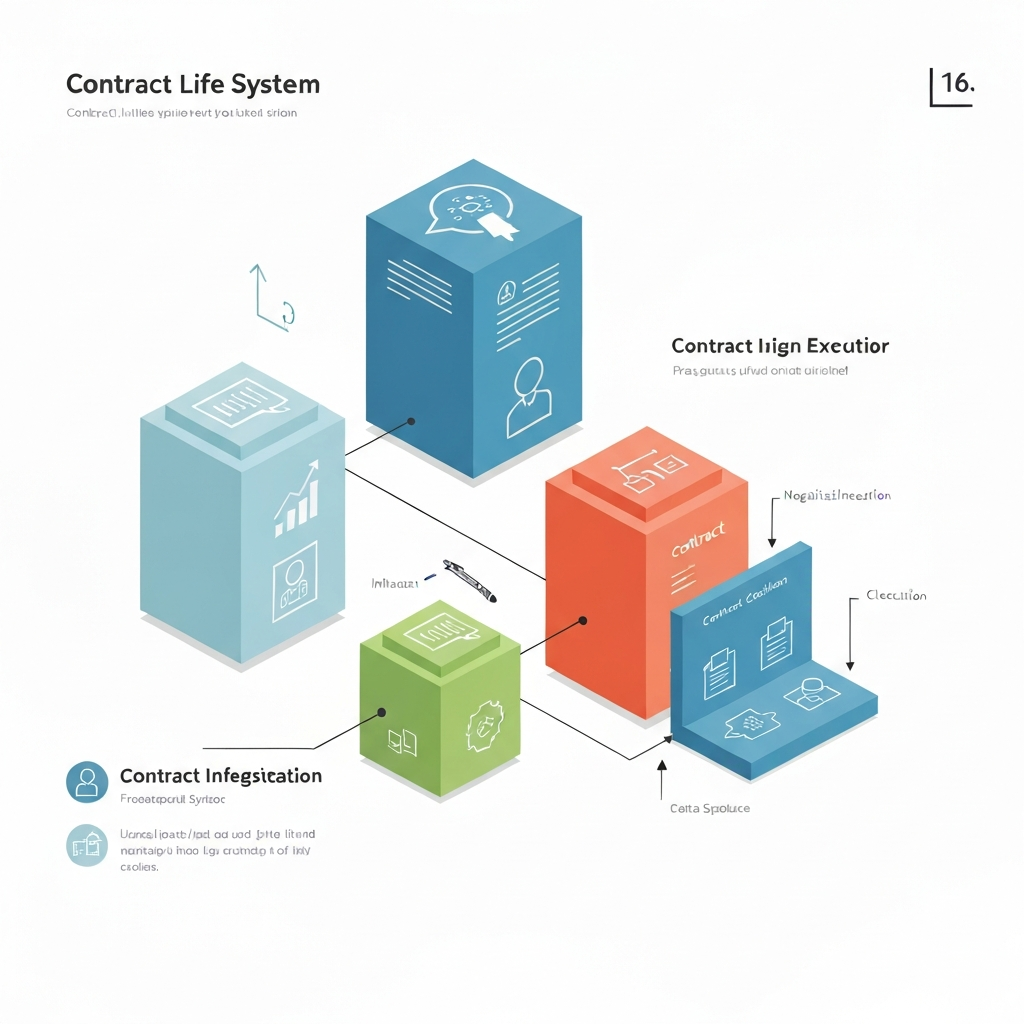
2. Comparing Leading CLM Solutions
The market offers a variety of CLM solutions, each with its own strengths and weaknesses. Understanding the differences between these solutions is crucial for selecting the one that best fits your organization's specific needs. This comparison focuses on some leading platforms and their key functionalities.
- Agiloft: Known for its highly customizable platform, Agiloft is a powerful choice for organizations with complex contract management requirements. It offers robust workflow automation, AI-powered analytics, and seamless integration with other business systems. Agiloft's flexibility allows it to adapt to various industry-specific needs, making it suitable for companies with diverse contract portfolios. However, the extensive customization options may require a steeper learning curve and more implementation effort.
- Conga CLM: Conga CLM (formerly Apttus) is a cloud-based solution that focuses on streamlining the entire contract lifecycle, from generation to execution and management. It excels in document automation, providing users with a user-friendly interface for creating, negotiating, and approving contracts. Conga also offers strong integration with Salesforce, making it a popular choice for organizations that heavily rely on the CRM platform. The integration capabilities enable seamless data flow and improved visibility across sales, legal, and finance departments.
- DocuSign CLM: Primarily known for its e-signature capabilities, DocuSign CLM also offers a comprehensive suite of contract management features. It provides tools for contract creation, workflow automation, and analytics, all integrated within a user-friendly interface. DocuSign CLM's strength lies in its ease of use and widespread adoption, making it a convenient option for organizations already using DocuSign eSignature. The integration of e-signature capabilities simplifies the signing process and accelerates contract execution.
3. Implementing a CLM System: Best Practices
Pro Tip: Prioritize data migration and cleansing during the CLM implementation process to ensure accuracy and completeness. A clean and well-organized contract repository is essential for maximizing the value of your CLM system.
Implementing a CLM system is a significant undertaking that requires careful planning and execution. A successful implementation can transform contract management processes, but a poorly executed implementation can lead to frustration and wasted resources. The key is to approach the implementation with a strategic mindset, focusing on clear goals, stakeholder involvement, and effective change management.
A crucial first step is to define clear objectives and success metrics. What specific pain points are you trying to address with the CLM system? Are you aiming to reduce contract cycle times, improve compliance, or enhance visibility into contract performance? Clearly defining these objectives will help you prioritize features and measure the success of the implementation. For instance, if your primary goal is to reduce contract cycle times, you might track metrics such as the average time it takes to approve a contract and the number of contracts completed per month. Having defined objectives will guide your implementation efforts and provide a framework for evaluating the system's performance.
Another important aspect is stakeholder involvement. Engage stakeholders from different departments, such as legal, sales, finance, and procurement, throughout the implementation process. Their input will ensure that the CLM system meets the needs of all users and integrates seamlessly with existing workflows. This collaborative approach fosters buy-in and reduces resistance to change. The value of a well-implemented CLM system is immense, leading to improved efficiency, reduced risk, and enhanced contract performance across the organization. The careful planning and consideration will ensure a successful transition and optimal ROI.
🔗 Recommended Reading
Conclusion
Choosing and implementing the right Contract Lifecycle Management (CLM) system is a pivotal decision that significantly impacts an organization's efficiency, compliance, and overall success. By carefully evaluating the key features, comparing leading solutions, and following best implementation practices, businesses can unlock the full potential of CLM. A well-chosen CLM system not only streamlines contract management processes but also provides valuable insights into contract performance, enabling data-driven decision-making and strategic growth.
The future of CLM is likely to be shaped by advancements in artificial intelligence (AI) and machine learning (ML). These technologies will further automate contract processes, improve risk detection, and enhance decision-making. As AI-powered CLM solutions become more sophisticated, organizations will be able to leverage predictive analytics to identify potential risks and opportunities, ultimately maximizing the value of their contracts.
❓ Frequently Asked Questions (FAQ)
What are the primary benefits of using a Contract Lifecycle Management (CLM) system?
The primary benefits of using a CLM system include improved efficiency in contract creation and negotiation, enhanced compliance with legal and regulatory requirements, reduced risk of errors and omissions, and increased visibility into contract performance. By automating key stages of the contract lifecycle, CLM systems free up valuable time for legal and business professionals, allowing them to focus on more strategic initiatives. Furthermore, a CLM system ensures that all contracts are stored in a central repository, making it easier to track deadlines, monitor performance, and manage renewals. This centralized approach minimizes the risk of losing important documents or missing critical obligations. For example, a CLM system can automatically alert stakeholders to upcoming renewal dates, ensuring that contracts are renegotiated in a timely manner and that valuable business relationships are maintained.
How do I choose the right CLM system for my organization?
Choosing the right CLM system involves a thorough assessment of your organization's specific needs and requirements. Start by identifying your pain points in contract management, such as inefficient workflows, lack of visibility, or compliance risks. Then, evaluate different CLM solutions based on their features, functionality, and integration capabilities. Consider factors such as ease of use, customization options, scalability, and vendor support. It is also important to involve stakeholders from various departments, such as legal, sales, finance, and procurement, in the selection process to ensure that the chosen system meets the needs of all users. For example, a sales team may prioritize features that streamline contract generation and approval, while a legal team may focus on compliance and risk management capabilities. Ultimately, the right CLM system should align with your organization's strategic goals and provide a solid foundation for efficient and effective contract management.
What are some common challenges in implementing a CLM system?
Common challenges in implementing a CLM system include data migration issues, user adoption resistance, integration complexities, and change management difficulties. Migrating existing contract data from legacy systems can be a time-consuming and error-prone process, requiring careful planning and data cleansing. User adoption can be challenging if users are not properly trained or if the new system is perceived as too complex or cumbersome. Integration with other business systems, such as CRM and ERP platforms, can also pose technical challenges. Overcoming these challenges requires a proactive approach, including thorough planning, effective communication, comprehensive training, and strong executive sponsorship. For instance, providing hands-on training sessions and ongoing support can help users become comfortable with the new system and maximize its benefits. Addressing these challenges head-on can ensure a smooth and successful CLM implementation.
Tags: #ContractManagement #CLM #WorkflowAutomation #BusinessEfficiency #LegalTech #StartupStrategy #ProductivityTips