📖 5 min read
In the fast-paced world of startups, efficiency is paramount. An automated sales pipeline isn't just a nice-to-have; it's a critical component for sustainable growth. Imagine spending less time on manual tasks and more time nurturing leads and closing deals. This comprehensive guide delves into the creation and implementation of an automated sales pipeline template specifically tailored for startups, enabling you to streamline operations, improve conversion rates, and ultimately, drive revenue. The aim is to provide actionable strategies and insights, allowing you to optimize your sales processes and scale your business effectively. The end goal is a well-oiled sales machine that generates consistent results and frees up your team to focus on strategic initiatives.
1. Understanding the Core Components of a Sales Pipeline Template
A sales pipeline template serves as the blueprint for your sales process, outlining each stage a potential customer goes through, from initial contact to becoming a paying client. At its most basic, it visually represents the journey a lead takes, allowing you to track progress and identify bottlenecks. It's not merely a document; it's a dynamic tool that evolves with your business and provides crucial data for analysis and improvement. A well-defined template ensures consistent engagement and helps sales representatives prioritize their efforts effectively.
To illustrate this, consider a startup selling SaaS software. Their pipeline might include stages like: Lead Generation, Qualification, Demo Scheduled, Demo Completed, Proposal Sent, Negotiation, and Closed Won/Lost. Each stage has specific actions and criteria for moving a lead forward. For example, a lead is only considered “Qualified” if they meet predefined criteria such as company size, budget, and specific pain points the software addresses. This systematic approach ensures that sales efforts are focused on the most promising leads, maximizing efficiency and minimizing wasted time.
Implementing a sales pipeline template offers several practical benefits. It provides a clear overview of sales performance, allowing managers to identify areas for improvement. It facilitates better forecasting by providing insights into the number of leads at each stage and their likelihood of conversion. Moreover, it ensures consistency in the sales process, reducing the risk of leads falling through the cracks. Ultimately, a well-designed template empowers sales teams to be more proactive, data-driven, and ultimately, more successful.
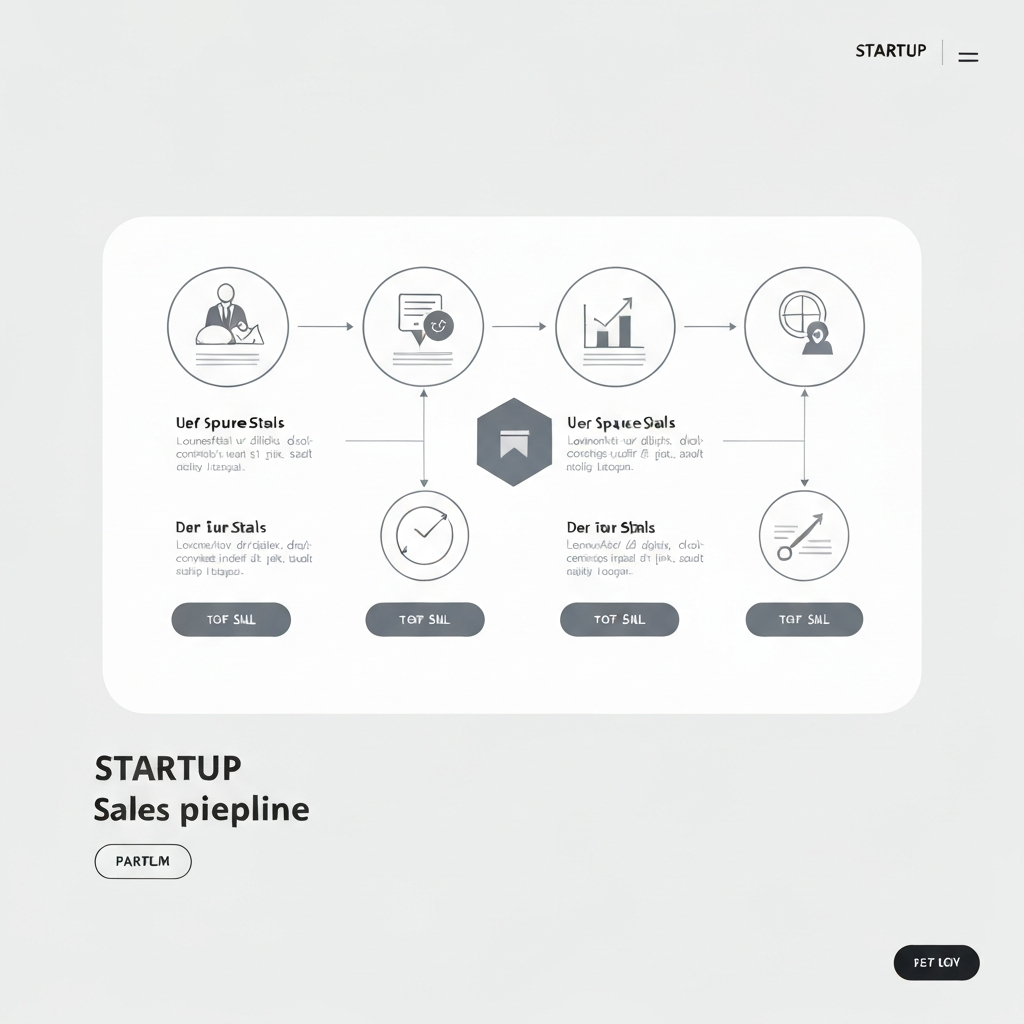
2. Essential Elements of an Automated Sales Pipeline Template
An automated sales pipeline builds upon the foundation of a standard sales pipeline template by incorporating technology to streamline tasks and improve efficiency. The goal is to minimize manual intervention, allowing sales representatives to focus on higher-value activities like building relationships and closing deals. Several key elements are essential for a successful automated sales pipeline.
- Lead Capture and Qualification: Automating the initial stages of lead capture is crucial. Tools like web forms, chatbots, and marketing automation platforms can automatically collect lead information and qualify them based on predefined criteria. For example, a web form might automatically assign a lead score based on the information provided, triggering a specific email sequence if the score reaches a certain threshold. This ensures that only qualified leads are passed on to the sales team, saving time and resources.
- Automated Email Sequences: Nurturing leads through automated email sequences is a powerful way to keep them engaged and move them through the pipeline. These sequences can be triggered by specific actions, such as downloading a whitepaper or attending a webinar. Each email should provide valuable content and guide the lead towards the next stage in the sales process. Personalization is key; use dynamic content to tailor messages based on the lead's specific interests and needs.
- CRM Integration and Task Automation: Integrating your sales pipeline with a CRM system is essential for tracking progress and managing customer interactions. A CRM can automate tasks like creating follow-up reminders, scheduling meetings, and updating lead status. For example, when a lead completes a demo, the CRM can automatically create a task for the sales representative to send a follow-up email and proposal. This ensures that no lead is forgotten and that all interactions are properly documented.
3. Practical Steps to Building Your Automated Sales Pipeline Template
Pro Tip: Don't try to automate everything at once. Start with the most time-consuming and repetitive tasks and gradually expand your automation efforts as you gain experience and identify new opportunities for efficiency.
Creating an automated sales pipeline template requires a strategic approach. Begin by mapping out your existing sales process and identifying areas where automation can have the biggest impact. Involve your sales team in this process to gather their input and ensure that the template meets their needs. It's essential to understand the nuances of your sales cycle and the specific challenges your team faces.
Next, choose the right tools and technologies to support your automation efforts. Consider factors such as cost, ease of use, and integration capabilities. Popular CRM systems like Salesforce, HubSpot, and Zoho offer robust automation features. Marketing automation platforms like Marketo and Pardot can help with lead capture, nurturing, and email marketing. Choose tools that align with your budget and technical capabilities, and ensure that they can seamlessly integrate with your existing systems.
Finally, test and refine your automated sales pipeline template. Start with a small group of leads and monitor their progress closely. Track key metrics such as conversion rates, sales cycle length, and customer satisfaction. Use this data to identify areas for improvement and make adjustments to your template. Regularly review and update your automation rules and processes to ensure that they remain effective and aligned with your business goals. A continuous improvement mindset is crucial for maximizing the benefits of automation.
Conclusion
Automating your startup's sales pipeline is a strategic investment that can yield significant returns. By streamlining your sales process, you can improve efficiency, increase conversion rates, and drive revenue growth. An automated sales pipeline template provides a structured framework for managing leads, nurturing relationships, and closing deals. It empowers your sales team to focus on high-value activities and ensures that no lead is left behind. It's about transforming your sales operations from a reactive process to a proactive, data-driven engine.
The future of sales lies in automation and data-driven decision-making. Startups that embrace these trends will be better positioned to compete and thrive in today's competitive landscape. By implementing an automated sales pipeline template, you can unlock the full potential of your sales team and achieve sustainable, scalable growth. So, take the first step today and begin building your automated sales pipeline template. The results will speak for themselves.
❓ Frequently Asked Questions (FAQ)
What are the biggest challenges in implementing an automated sales pipeline?
One of the biggest challenges is choosing the right tools and technologies. There are numerous CRM and marketing automation platforms available, each with its own strengths and weaknesses. It's crucial to carefully evaluate your needs and select tools that align with your budget and technical capabilities. Another challenge is ensuring that your sales team adopts the new system and processes. Proper training and ongoing support are essential for successful implementation. Finally, integrating the automated pipeline with your existing systems can be complex and require technical expertise.
How do I measure the success of my automated sales pipeline?
Several key metrics can be used to measure the success of your automated sales pipeline. Conversion rates at each stage of the pipeline are crucial indicators of effectiveness. Sales cycle length, the time it takes to move a lead from initial contact to closed deal, is another important metric. Customer acquisition cost (CAC) and customer lifetime value (CLTV) can help you assess the profitability of your sales efforts. Additionally, track customer satisfaction scores and feedback to ensure that your automated processes are not negatively impacting the customer experience. Analyzing these metrics regularly will allow you to identify areas for improvement and optimize your pipeline.
Can I use a free CRM to automate my sales pipeline?
Yes, many free CRMs offer basic automation features that can be used to streamline your sales pipeline. HubSpot CRM, for example, provides free tools for lead capture, email marketing, and task management. While free CRMs may have limitations in terms of features and storage capacity, they can be a great starting point for startups with limited budgets. As your business grows and your needs become more complex, you can upgrade to a paid plan or explore other CRM options with more advanced automation capabilities. Remember to carefully evaluate the features and limitations of each free CRM before making a decision to ensure it aligns with your specific requirements.
Tags: #SalesAutomation #StartupGrowth #SalesPipeline #WorkflowAutomation #BusinessTemplates #CRM #LeadGeneration