📖 5 min read
The landscape of video editing is undergoing a seismic shift, driven by the relentless advancement of artificial intelligence. What once required hours of meticulous manual work can now be achieved in a fraction of the time, thanks to AI-powered tools. This revolution isn't just about speed; it's about unlocking new creative possibilities and democratizing video production for individuals and businesses alike. From automatically generating subtitles and removing unwanted background noise to creating stunning visual effects and even composing entire videos from text prompts, AI is rapidly becoming an indispensable part of the video editor's toolkit. This article delves into the specifics of AI-powered video editing, examining its current capabilities, exploring its potential future, and discussing the ethical considerations that arise with such powerful technology.
1. The Rise of Intelligent Video Editing Software
AI-powered video editing software leverages machine learning algorithms to automate and enhance various aspects of the video creation process. These algorithms are trained on vast datasets of videos, enabling them to identify patterns, understand context, and perform complex tasks with minimal human intervention. This results in significant time savings and improved efficiency for video editors of all skill levels. By automating mundane tasks, AI frees up editors to focus on the creative aspects of their work, such as storytelling, visual composition, and artistic expression.
For example, AI can automatically detect and remove silences in a video, adjust color grading to achieve a consistent look, or even create realistic-looking visual effects. Consider the task of rotoscoping, which involves manually tracing the outline of an object in each frame of a video to isolate it from the background. This process can be incredibly time-consuming and tedious. However, AI-powered rotoscoping tools can automate this process, saving editors hours of work. Another powerful application is object removal, where AI algorithms can intelligently fill in the gaps left behind when an object is removed from a scene. This technology is particularly useful for removing unwanted elements from a shot, such as distractions in the background or blemishes on a subject's face. The precision and speed of these AI tools are constantly improving, leading to increasingly seamless and realistic results.
The practical implications of AI-powered video editing are far-reaching. Businesses can use these tools to create engaging marketing videos more efficiently, while educators can use them to produce high-quality educational content. Independent filmmakers and content creators can leverage AI to overcome budget constraints and achieve professional-looking results. Ultimately, AI is democratizing video production, making it accessible to a wider audience and empowering individuals to tell their stories through the medium of video. The cost reductions associated with faster editing times and fewer required human resources can be substantial, especially for large-scale video production projects. This allows for reinvestment in other creative areas, further enhancing the final product.
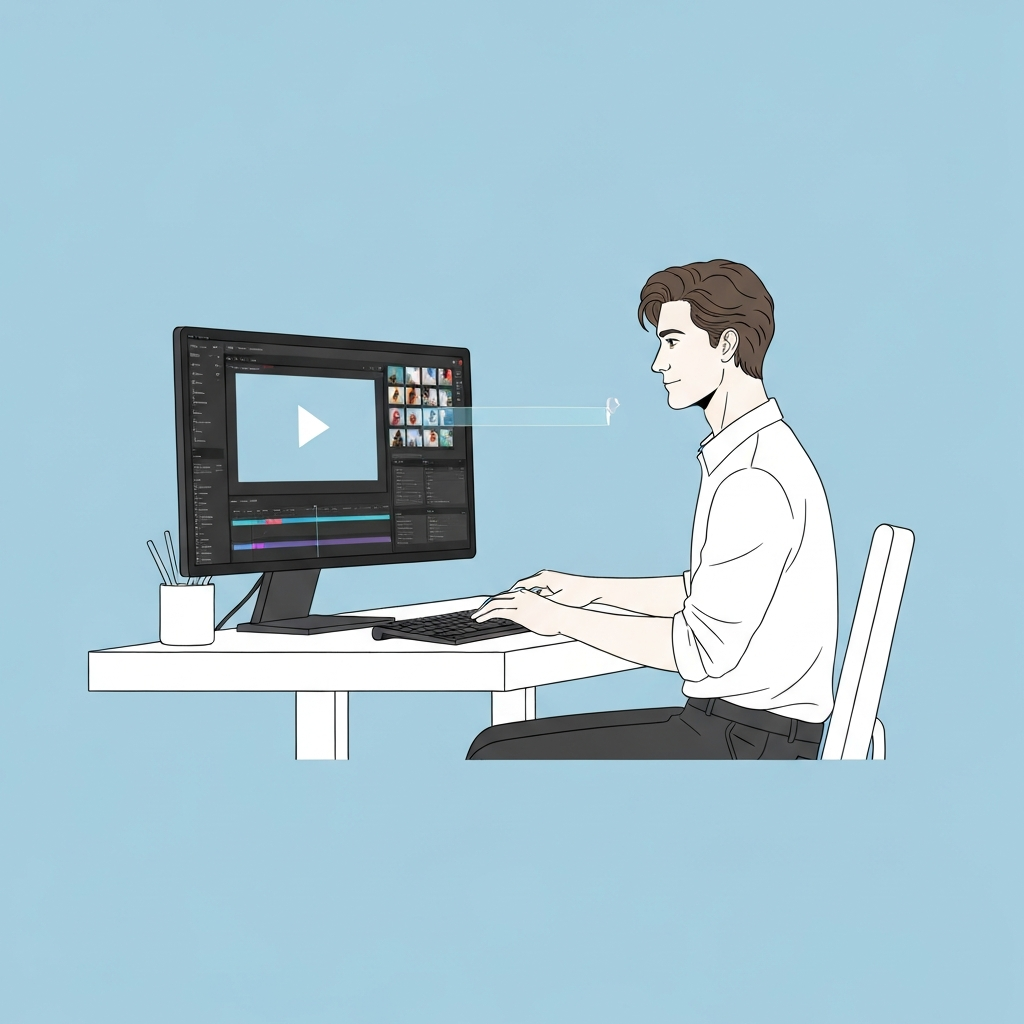
2. Key Features and Applications of AI Video Editing
AI video editing encompasses a range of features and applications designed to streamline and enhance the video creation process. From automated editing functions to sophisticated visual effects, AI is transforming the way videos are made. Let's explore some of the key capabilities:
- Automated Subtitle Generation and Transcription: AI algorithms can automatically generate subtitles and transcripts from video audio, making videos more accessible to a wider audience and improving search engine optimization (SEO). These tools leverage speech recognition technology to accurately transcribe spoken words, and they can even translate subtitles into multiple languages. Furthermore, many AI-powered subtitle generators can automatically sync the subtitles with the video, saving editors the hassle of manual timing adjustments. This is especially useful for creating content for global audiences or for complying with accessibility regulations.
- Scene Detection and Object Recognition: AI can analyze video footage to automatically detect scene changes and identify objects within the frame. This information can be used to streamline the editing process, making it easier to find specific moments in a video or to apply effects to specific objects. Scene detection is particularly useful for documentaries and reality TV shows, where editors need to sift through hours of footage to find key moments. Object recognition can be used to track objects across multiple shots or to create automated visual effects. For example, an AI algorithm could be trained to recognize faces and automatically blur them to protect privacy.
- AI-Powered Color Correction and Grading: AI algorithms can analyze the colors in a video and automatically adjust them to achieve a consistent look or to create a specific mood. This can save editors hours of manual color correction and grading work. AI can also be used to match the colors of different shots, ensuring a seamless transition between scenes. Advanced AI-powered color grading tools can even learn from the editor's preferences and apply similar color corrections to future projects. This allows editors to develop a unique visual style and maintain consistency across their work.
3. Prompt Engineering for AI Video Editing
Crafting effective prompts is crucial for maximizing the potential of AI video editing tools.
The effectiveness of AI video editing tools hinges on the quality of the prompts provided. Prompt engineering is the art and science of crafting clear, concise, and informative prompts that guide the AI to achieve the desired results. A well-crafted prompt can significantly improve the accuracy, relevance, and overall quality of the AI's output. This is especially true for AI models that generate video content from text descriptions, where the prompt serves as the blueprint for the entire video.
To create effective prompts, it's important to be specific about the desired outcome. Instead of simply asking the AI to "edit this video," provide detailed instructions on the specific edits you want to make. For example, you could say "Remove the background noise from this video and adjust the color grading to make it warmer." The more information you provide, the better the AI will be able to understand your request and deliver the desired results. Experiment with different prompt variations to see what works best for your specific needs. Trying various phrasing and adding detail incrementally is key to unlocking an AI's potential. Consider using keywords related to the specific editing techniques you want to apply, such as "stabilize," "sharpen," or "colorize."
Mastering prompt engineering for AI video editing unlocks unprecedented creative control. It transforms these powerful tools from black boxes into extensions of the editor's own creative vision. By learning to communicate effectively with AI, video creators can unlock new levels of efficiency, creativity, and innovation. The combination of human creativity and artificial intelligence promises to revolutionize the way videos are made, opening up exciting new possibilities for storytelling and visual expression. Furthermore, mastering prompt engineering offers a significant competitive advantage in the rapidly evolving landscape of video production, allowing editors to stay ahead of the curve and leverage the latest AI technologies to their fullest potential.
Conclusion
AI-powered video editing is rapidly transforming the content creation landscape, offering unprecedented opportunities for efficiency, creativity, and accessibility. From automating mundane tasks to enabling sophisticated visual effects, AI is empowering video editors of all skill levels to achieve professional-looking results in a fraction of the time. The democratization of video production driven by AI is fostering a new wave of creativity and innovation, allowing individuals and businesses alike to tell their stories through the medium of video. As AI technology continues to evolve, the capabilities of AI-powered video editing tools will only continue to expand, pushing the boundaries of what's possible in video creation.
Looking ahead, we can expect to see even more sophisticated AI-powered video editing tools emerge, capable of performing increasingly complex tasks with minimal human intervention. AI will likely play a larger role in the entire video production pipeline, from pre-production planning to post-production distribution. The lines between human creativity and artificial intelligence will continue to blur, leading to new forms of artistic expression and storytelling. As with any powerful technology, it's important to consider the ethical implications of AI-powered video editing. Ensuring that these tools are used responsibly and ethically will be crucial for fostering a sustainable and equitable future for the video production industry.
❓ Frequently Asked Questions (FAQ)
How accurate are AI-generated subtitles?
AI-generated subtitles have become remarkably accurate, often achieving accuracy rates of 95% or higher under ideal conditions, such as clear audio and minimal background noise. However, accuracy can decrease with strong accents, technical jargon, or poor audio quality. It's always recommended to review and edit AI-generated subtitles to ensure complete accuracy, especially for professional content. This ensures that viewers receive the correct information and that the video maintains its intended message.
Can AI replace human video editors?
While AI is transforming video editing, it's unlikely to completely replace human editors in the near future. AI excels at automating repetitive tasks and performing technical functions, freeing up human editors to focus on the creative aspects of their work, such as storytelling, visual composition, and artistic direction. The best results are often achieved through a collaborative approach, where AI and human editors work together to create compelling and engaging videos. Furthermore, human editors possess critical thinking, emotional intelligence, and artistic sensibilities that are difficult for AI to replicate, making them essential for nuanced and creative video production.
What are the ethical considerations of using AI in video editing?
Using AI in video editing raises several ethical considerations, including the potential for creating deepfakes and spreading misinformation. AI-powered tools can be used to manipulate video footage in ways that are difficult to detect, potentially leading to the creation of false narratives and the erosion of trust in visual media. It's crucial to develop safeguards to prevent the misuse of AI technology and to promote media literacy to help people distinguish between authentic and manipulated video content. Transparency and accountability are also essential, ensuring that viewers are aware when AI has been used to alter video footage and that those responsible for creating manipulated content are held accountable for their actions.
Tags: #AI #VideoEditing #ArtificialIntelligence #ContentCreation #FutureTech #MachineLearning #PromptEngineering